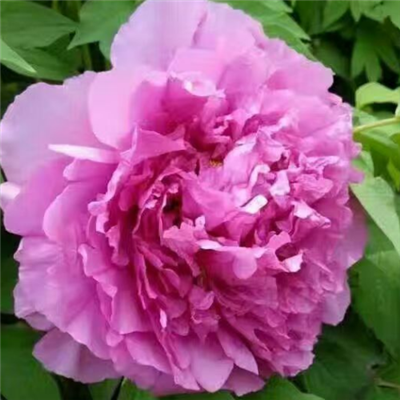
As a supplier of Japan tree peony, I've been frequently asked about the germination rate of Japan tree peony seeds. This topic is not only crucial for gardeners and horticulturists but also for those interested in the commercial cultivation of these beautiful flowers. In this blog, I'll delve into the factors affecting the germination rate of Japan tree peony seeds and provide some insights based on my experience in the industry.
Understanding Japan Tree Peonies
Japan tree peonies are renowned for their large, showy flowers and rich cultural significance. They come in various cultivars, each with its unique characteristics. For example, the Lotus Lantern Peony is known for its delicate petals that resemble a lotus lantern, while the Imperial Concubine Inserts Green Peony has a distinct greenish hue in its flowers, symbolizing elegance and nobility. The Flower Oil Peony is not only aesthetically pleasing but also valued for its oil-rich seeds.
Factors Affecting Germination Rate
The germination rate of Japan tree peony seeds can vary significantly depending on several factors. Here are some of the key factors that I've observed in my experience:
Seed Quality
The quality of the seeds is perhaps the most important factor. High-quality seeds are more likely to germinate successfully. When selecting seeds, it's essential to choose those from healthy, disease-free plants. Seeds that are plump, firm, and have a uniform color are generally of better quality. Additionally, the age of the seeds can also affect germination. Freshly harvested seeds tend to have a higher germination rate compared to older seeds.
Storage Conditions
Proper storage of the seeds is crucial to maintain their viability. Japan tree peony seeds should be stored in a cool, dry place. Excessive heat, humidity, or exposure to light can reduce the germination rate. I usually recommend storing the seeds in airtight containers in a refrigerator at a temperature of around 2-5°C. This helps to slow down the aging process and preserve the seeds' viability.
Pretreatment
Japan tree peony seeds have a hard seed coat that can inhibit germination. Pretreatment methods such as scarification or stratification can help to break the dormancy of the seeds and improve the germination rate. Scarification involves scratching or nicking the seed coat to allow water and oxygen to penetrate. Stratification, on the other hand, involves subjecting the seeds to a period of cold treatment to simulate winter conditions. This can be achieved by placing the seeds in a moist medium such as sand or peat moss and storing them in the refrigerator for several weeks.


Soil Conditions
The soil in which the seeds are planted also plays a significant role in germination. Japan tree peony seeds prefer well-drained, fertile soil with a slightly acidic to neutral pH. The soil should be loose and friable to allow the roots to penetrate easily. Adding organic matter such as compost or well-rotted manure to the soil can improve its structure and fertility.
Environmental Conditions
The environmental conditions during germination are crucial for the success of the seeds. Japan tree peony seeds require a warm, moist environment to germinate. The ideal temperature for germination is around 20-25°C. It's important to keep the soil consistently moist but not waterlogged. Overwatering can lead to fungal diseases and rot, which can reduce the germination rate.
Average Germination Rate
Based on my experience and research, the average germination rate of Japan tree peony seeds is typically around 30-50%. However, this can vary depending on the factors mentioned above. With proper seed selection, storage, pretreatment, and environmental conditions, it's possible to achieve a higher germination rate.
Tips for Improving Germination Rate
Here are some tips that I've found helpful in improving the germination rate of Japan tree peony seeds:
- Select high-quality seeds: Choose seeds from healthy, disease-free plants and ensure they are fresh.
- Store the seeds properly: Keep the seeds in a cool, dry place in airtight containers in the refrigerator.
- Pretreat the seeds: Use scarification or stratification methods to break the dormancy of the seeds.
- Prepare the soil: Use well-drained, fertile soil with a slightly acidic to neutral pH. Add organic matter to improve the soil structure and fertility.
- Provide the right environmental conditions: Maintain a warm, moist environment with a temperature of around 20-25°C. Keep the soil consistently moist but not waterlogged.
Conclusion
The germination rate of Japan tree peony seeds can be influenced by several factors, including seed quality, storage conditions, pretreatment, soil conditions, and environmental conditions. By understanding these factors and taking the necessary steps to optimize them, it's possible to improve the germination rate and successfully grow Japan tree peonies.
If you're interested in purchasing Japan tree peony seeds or have any questions about their cultivation, I'd be more than happy to assist you. Feel free to reach out to me to discuss your requirements and start a procurement negotiation.
References
- Armitage, A. M. (2008). Herbaceous Perennial Plants: A Treatise on Their Identification, Culture, and Garden Attributes. Timber Press.
- Dirr, M. A. (2009). Manual of Woody Landscape Plants: Their Identification, Ornamental Characteristics, Culture, Propagation and Uses. Stipes Publishing.
- Royal Horticultural Society. (n.d.). Peonies. Retrieved from https://www.rhs.org.uk/plants/types/peonies