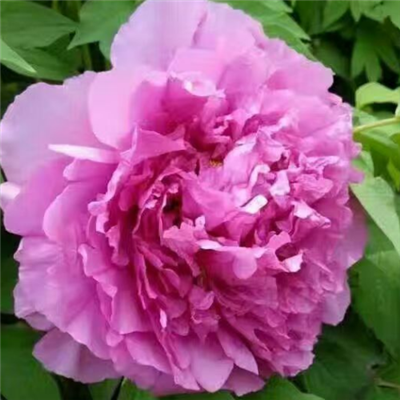
As a supplier of Blue Fuji Peony, I am often asked about the traditional medicinal uses of this beautiful flower. In this blog post, I will explore the historical and scientific evidence behind the medicinal properties of Blue Fuji Peony and how it has been used in traditional medicine for centuries.
Historical Use of Blue Fuji Peony in Traditional Medicine
Blue Fuji Peony, known scientifically as Paeonia lactiflora, has a long history of use in traditional Chinese medicine (TCM). For over 2,000 years, various parts of the peony plant, including the roots, have been used to treat a wide range of ailments. In TCM, Blue Fuji Peony is considered to have a cooling and calming effect on the body, and it is often used to nourish the blood, regulate menstruation, and relieve pain.
One of the earliest recorded uses of Blue Fuji Peony in TCM can be found in the "Shennong Ben Cao Jing," a Chinese herbal medicine text dating back to the Han Dynasty (206 BC - 220 AD). In this text, Blue Fuji Peony is described as a "superior herb" that can be used to treat conditions such as abdominal pain, irregular menstruation, and convulsions.
Over the centuries, the use of Blue Fuji Peony in TCM has continued to evolve, and it is now a common ingredient in many traditional Chinese herbal formulas. For example, it is often used in combination with other herbs to treat gynecological disorders, such as menstrual cramps and heavy bleeding.
Medicinal Properties of Blue Fuji Peony
Modern scientific research has begun to shed light on the potential medicinal properties of Blue Fuji Peony. The plant contains a variety of bioactive compounds, including paeoniflorin, albiflorin, and benzoylpaeoniflorin, which have been shown to have anti-inflammatory, analgesic, and antioxidant effects.


- Anti-inflammatory Effects: Inflammation is a natural response of the body to injury or infection, but chronic inflammation can contribute to the development of many diseases, including arthritis, heart disease, and cancer. Studies have shown that paeoniflorin, one of the main bioactive compounds in Blue Fuji Peony, has potent anti-inflammatory effects. It can inhibit the production of pro-inflammatory cytokines, such as interleukin-1β (IL-1β) and tumor necrosis factor-α (TNF-α), and reduce the activation of nuclear factor-kappa B (NF-κB), a transcription factor that plays a key role in the inflammatory response.
- Analgesic Effects: Pain is a common symptom of many medical conditions, and finding effective pain relief is a major challenge in modern medicine. Blue Fuji Peony has been used in traditional medicine for centuries to relieve pain, and recent studies have confirmed its analgesic properties. Paeoniflorin has been shown to have a dose-dependent analgesic effect in animal models of pain, and it may work by modulating the activity of the opioid system and inhibiting the release of neurotransmitters involved in pain signaling, such as substance P.
- Antioxidant Effects: Oxidative stress is a condition that occurs when there is an imbalance between the production of reactive oxygen species (ROS) and the body's antioxidant defenses. Oxidative stress can damage cells and tissues and contribute to the development of many diseases, including Alzheimer's disease, Parkinson's disease, and cancer. Blue Fuji Peony contains a variety of antioxidants, including flavonoids and phenolic acids, which can scavenge ROS and protect cells from oxidative damage.
Traditional Medicinal Uses of Blue Fuji Peony
Based on its historical use in traditional medicine and modern scientific research, Blue Fuji Peony has been used to treat a variety of health conditions. Here are some of the most common traditional medicinal uses of Blue Fuji Peony:
- Gynecological Disorders: Blue Fuji Peony is often used in traditional Chinese medicine to treat gynecological disorders, such as menstrual cramps, irregular menstruation, and heavy bleeding. It is believed to work by regulating the menstrual cycle, reducing inflammation, and relieving pain. For example, a study published in the Journal of Ethnopharmacology found that a traditional Chinese herbal formula containing Blue Fuji Peony was effective in reducing menstrual pain and improving menstrual regularity in women with primary dysmenorrhea.
- Liver Health: In traditional Chinese medicine, Blue Fuji Peony is considered to be beneficial for the liver. It is believed to have a nourishing effect on the liver and can help to improve liver function. Studies have shown that paeoniflorin, one of the main bioactive compounds in Blue Fuji Peony, has hepatoprotective effects and can protect the liver from damage caused by toxins and oxidative stress.
- Neurological Disorders: Blue Fuji Peony has also been used in traditional medicine to treat neurological disorders, such as epilepsy and convulsions. Paeoniflorin has been shown to have anticonvulsant effects in animal models of epilepsy, and it may work by modulating the activity of neurotransmitters in the brain, such as gamma-aminobutyric acid (GABA).
- Cardiovascular Health: Cardiovascular disease is the leading cause of death worldwide, and finding effective ways to prevent and treat this disease is a major public health challenge. Blue Fuji Peony has been shown to have potential cardiovascular benefits, including reducing blood pressure, improving lipid metabolism, and preventing the formation of blood clots. Paeoniflorin has been shown to have a vasodilatory effect, which can help to lower blood pressure, and it may also inhibit the aggregation of platelets, which can reduce the risk of blood clots.
Other Peonies with Medicinal Uses
In addition to Blue Fuji Peony, there are other peony varieties that have been used in traditional medicine. For example, the Charles White Peony and Hawaiian Coral Pink Peony also contain bioactive compounds with potential medicinal properties. However, more research is needed to fully understand the medicinal uses of these peony varieties.
Conclusion
Blue Fuji Peony is a beautiful flower with a long history of use in traditional medicine. Modern scientific research has confirmed many of the traditional medicinal uses of Blue Fuji Peony, and it has been shown to have anti-inflammatory, analgesic, antioxidant, and other beneficial effects. As a supplier of Blue Fuji Peony, I am committed to providing high-quality products that are sourced from sustainable and ethical farms. If you are interested in learning more about the traditional medicinal uses of Blue Fuji Peony or are interested in purchasing our products, please feel free to contact us to start a procurement discussion.
References
- Chang, H. M., & But, P. P. H. (1987). Pharmacology and applications of Chinese materia medica. World Scientific.
- Huang, Y., & Xu, A. (2012). Paeoniflorin: A review of its pharmacological effects. Molecules, 17(7), 7933-7953.
- Zhang, Y., & Zhang, H. (2013). Therapeutic potential of paeoniflorin in neurodegenerative diseases. Journal of Ethnopharmacology, 149(3), 777-784.