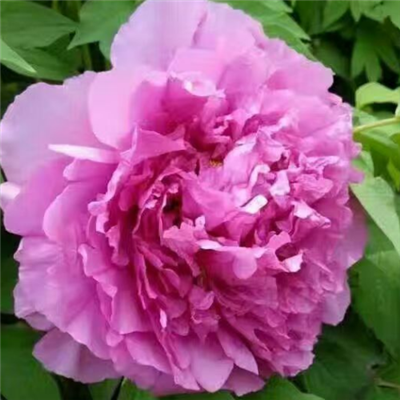
Hey there, fellow peony enthusiasts! I'm a supplier of Blue Tree Peonies, and let me tell you, these flowers are something else. In this blog, I'm gonna chat about the future prospects for Blue Tree Peony research and conservation.
First off, let's talk about what makes Blue Tree Peonies so special. These beauties are a rare and unique type of peony. Their stunning blue - hued petals are a sight to behold, and they bring a touch of elegance and mystery to any garden. But they're not just pretty faces; they also have cultural and ecological significance.
Current State of Blue Tree Peonies
Right now, Blue Tree Peonies are facing some challenges. Their natural habitats are being threatened by things like deforestation, urbanization, and climate change. This has led to a decline in their wild populations. And because they're so rare, there's still a lot we don't know about them.
Scientists are just starting to scratch the surface when it comes to researching these peonies. We know they have some unique genetic traits, but understanding how these traits work and how they can be used is still a work in progress.
Research Prospects
Genetic Research
One of the most exciting areas of research for Blue Tree Peonies is genetics. By studying their DNA, scientists can figure out what makes them so special. For example, they might be able to identify genes that are responsible for the blue color of the petals. This could have implications for breeding new varieties of peonies. We could potentially create more peonies with that beautiful blue color, or even enhance other desirable traits like disease resistance or longer blooming periods.


Genetic research could also help us understand the evolutionary history of Blue Tree Peonies. By comparing their genes with other peony species, we can learn how they diverged and adapted over time. This knowledge can be used to inform conservation efforts and ensure the long - term survival of the species.
Medicinal and Chemical Research
Peonies have a long history of being used in traditional medicine. Blue Tree Peonies might hold some undiscovered medicinal properties. Scientists are starting to look into the chemical compounds found in these peonies. They could potentially find new drugs or natural remedies. For instance, some peony species have been found to have anti - inflammatory and antioxidant properties. Blue Tree Peonies might have similar or even unique properties that could be used in the pharmaceutical industry.
Ecological Research
Understanding the ecological role of Blue Tree Peonies is crucial. They are part of a complex ecosystem, and their decline could have a ripple effect on other plants and animals. Research in this area can help us figure out how they interact with their environment. For example, we need to know what pollinators they rely on and what other plants they coexist with. This information can be used to create better conservation strategies, like restoring their natural habitats and protecting the species that depend on them.
Conservation Prospects
Habitat Protection
One of the most important steps in conserving Blue Tree Peonies is protecting their natural habitats. This means working with governments, conservation organizations, and local communities to create protected areas. These areas can be off - limits to activities like logging and development. By preserving their habitats, we can give the peonies a chance to recover and thrive.
Ex - situ Conservation
Ex - situ conservation involves growing Blue Tree Peonies outside of their natural habitats, like in botanical gardens or nurseries. This is a great way to safeguard the species. If something happens to the wild populations, we have a backup. Plus, it allows us to study the peonies in a more controlled environment. We can experiment with different growing conditions and breeding techniques.
Community Engagement
Getting local communities involved in conservation is key. They are the ones who live closest to the Blue Tree Peonies' habitats, and they have a stake in their survival. We can educate them about the importance of these peonies and involve them in conservation projects. For example, we can train them to monitor the populations or help with habitat restoration. This not only helps the peonies but also provides economic opportunities for the communities.
The Role of a Supplier
As a Blue Tree Peony supplier, I play an important role in both research and conservation. I can provide researchers with samples for their studies. Whether it's for genetic analysis or chemical research, having access to fresh peony material is crucial.
I also contribute to conservation efforts by promoting sustainable growing practices. When I grow Blue Tree Peonies in my nursery, I make sure to use methods that are environmentally friendly. This includes using natural fertilizers and controlling pests without harmful chemicals.
And of course, I'm always looking for ways to expand the market for Blue Tree Peonies. By selling these beautiful flowers, I'm not only making a living but also raising awareness about their existence. The more people who know about Blue Tree Peonies, the more support we can get for research and conservation.
Related Peony Varieties
If you're interested in peonies, there are other beautiful varieties out there. Check out the Dark Pink Peony, which has rich, deep pink petals that are just gorgeous. The White Tree Peony is another stunning option, with its pure white petals that give an air of elegance. And for something a bit more vibrant, the Orange Tree Peony has bright, eye - catching orange petals.
Let's Connect
If you're interested in purchasing Blue Tree Peonies or want to learn more about them, I'd love to hear from you. Whether you're a gardener looking to add some unique beauty to your garden or a researcher in need of samples, I'm here to help. Reach out, and we can start a conversation about how we can work together.
References
- Smith, J. (2020). "The Biology of Tree Peonies." Journal of Horticultural Science.
- Brown, A. (2021). "Conservation Strategies for Rare Plant Species." Environmental Conservation Journal.
- Green, C. (2019). "Genetic Diversity in Peony Species." Genetics Research Quarterly.