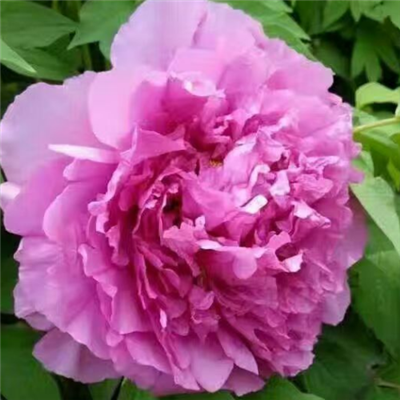
When it comes to creating a captivating landscape, the Black Lady Peony stands out as a regal and enchanting choice. As a dedicated supplier of these magnificent plants, I am thrilled to share insights on how to group Black Lady Peonies effectively in a landscape. This guide will not only help you enhance the aesthetic appeal of your outdoor space but also ensure the health and vitality of these beautiful flowers.
Understanding the Black Lady Peony
Before delving into the grouping strategies, it's essential to understand the unique characteristics of the Black Lady Peony. The Black Lady Peony is a tree peony known for its large, dark purple to blackish-red blooms. These flowers are not only visually stunning but also emit a delicate fragrance, adding an extra layer of allure to your garden.
Tree peonies, including the Black Lady Peony, are perennial plants that can live for decades with proper care. They typically grow to a height of 3 to 5 feet and have a spread of about the same width. Their foliage is lush and green, providing an attractive backdrop for the vibrant flowers.
Choosing the Right Location
The first step in grouping Black Lady Peonies is to select the right location in your landscape. These plants thrive in partial shade to full sun, although they prefer some protection from the hot afternoon sun, especially in regions with intense summers. A location that receives morning sun and afternoon shade is ideal.
The soil should be well-draining, rich in organic matter, and slightly acidic to neutral (pH 6.5 - 7.0). Avoid areas with heavy clay soil or poor drainage, as this can lead to root rot and other problems. If your soil is not ideal, you can amend it with compost, peat moss, or well-rotted manure to improve its texture and fertility.
Grouping Strategies
Mass Planting
One of the most effective ways to showcase the beauty of Black Lady Peonies is through mass planting. This involves planting a large number of peonies together in a single area to create a bold and dramatic display. Mass planting works particularly well in large gardens, parks, or along the edges of a property.
When mass planting Black Lady Peonies, space the plants about 3 to 4 feet apart to allow for adequate air circulation and growth. This spacing will also ensure that the plants have enough room to develop their full size and form. As the peonies mature, they will create a dense and colorful carpet of flowers, making a stunning visual impact.
Mixed Borders
Another option is to incorporate Black Lady Peonies into mixed borders. This allows you to combine the peonies with other plants, such as perennials, annuals, and shrubs, to create a diverse and dynamic landscape. When choosing companion plants, consider their height, color, and bloom time to ensure a harmonious and balanced display.
For example, you can pair the Black Lady Peony with early-blooming bulbs, such as daffodils and tulips, to provide a burst of color in the spring before the peonies start to bloom. In the summer, you can add other perennials, such as daylilies, coneflowers, and salvias, to extend the flowering season and add more variety to the border.
Some excellent companion plants for Black Lady Peonies include:
- Fragrant Jade Peony: This tree peony has white or pale pink flowers that contrast beautifully with the dark blooms of the Black Lady Peony.
- Paeonia Suffruticosa "Yao Huang": Also known as the "Emperor's Yellow Peony," this variety has large, yellow flowers that add a touch of elegance and warmth to the landscape.
- Hosta: Hostas are shade-loving perennials with large, textured leaves that provide a nice contrast to the peonies' foliage. They come in a variety of colors and sizes, making them a versatile choice for mixed borders.
Focal Points
Black Lady Peonies can also be used as focal points in your landscape. A focal point is a prominent feature that draws the eye and creates a sense of interest and drama. You can create a focal point by planting a single Black Lady Peony in a prominent location, such as in the center of a circular bed or at the end of a walkway.
To enhance the impact of the focal point, you can surround the peony with low-growing groundcovers, such as thyme or sedum, or with decorative stones or gravel. You can also add a decorative container or a small statue to further enhance the visual appeal.
Maintenance and Care
Once you have grouped your Black Lady Peonies in the landscape, it's important to provide them with proper maintenance and care to ensure their health and longevity. Here are some essential tips:


- Watering: Black Lady Peonies require regular watering, especially during the first few years after planting. Water deeply and thoroughly, but avoid overwatering, as this can lead to root rot. During the summer months, water the plants once or twice a week, depending on the weather conditions.
- Fertilizing: Feed your Black Lady Peonies with a balanced fertilizer, such as a 10-10-10 or 12-12-12 formula, in the spring and fall. Follow the instructions on the fertilizer package for the correct application rate. Avoid overfertilizing, as this can cause excessive foliage growth at the expense of flower production.
- Pruning: Prune your Black Lady Peonies in the late winter or early spring before new growth begins. Remove any dead, damaged, or diseased branches, as well as any weak or crossing branches. This will help to promote healthy growth and improve the plant's overall appearance.
- Pest and Disease Control: Black Lady Peonies are generally resistant to pests and diseases, but they can be susceptible to some common problems, such as powdery mildew, botrytis blight, and aphids. To prevent these problems, keep the plants well-ventilated, avoid overhead watering, and remove any infected leaves or branches promptly. If necessary, you can use organic or chemical pesticides to control pests and diseases.
Conclusion
Grouping Black Lady Peonies in a landscape is a rewarding and creative process that can transform your outdoor space into a beautiful and inviting oasis. By understanding the unique characteristics of these plants and following the tips and strategies outlined in this guide, you can create a stunning display that will impress your friends, family, and neighbors.
As a supplier of Black Lady Peonies, I am committed to providing high-quality plants and excellent customer service. If you have any questions or need further assistance with your landscape design, please don't hesitate to contact me. I would be happy to help you choose the right plants and provide you with the information and support you need to create a beautiful and thriving garden.
References
- "Tree Peonies: A Gardener's Guide" by Stephen L. Vincent
- "The Complete Book of Peonies" by Roger Parsons
- "Peonies for Every Garden" by Allan Rogers