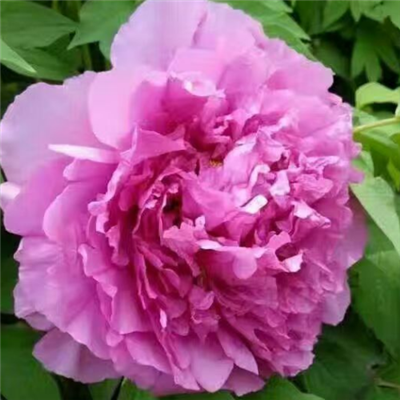
Hey there, fellow plant lovers! I'm excited to share some insights on fertilizing Black Tree Peonies. As a supplier of these stunning beauties, I've had my fair share of experiences and learned a thing or two about keeping them healthy and blooming.
So, let's dive right in. First off, what makes Black Tree Peonies so special? Well, they're not your average peonies. Their dark, almost-black petals are a sight to behold, adding a touch of drama and elegance to any garden. If you're curious about other peony colors, you can check out our Multi - color Peony and Orange Tree Peony pages. But for now, let's focus on our black beauties.
Understanding the Nutritional Needs of Black Tree Peonies
Black Tree Peonies, like all plants, need a balanced diet of nutrients to thrive. The three main nutrients they need are nitrogen (N), phosphorus (P), and potassium (K), often referred to as NPK. Nitrogen is essential for leaf and stem growth. It gives the plant that lush, green look. Phosphorus is crucial for root development and flower production. A good supply of phosphorus will help your peony produce bigger and more beautiful blooms. Potassium helps the plant resist diseases and stress, making it stronger overall.
Apart from NPK, they also require micronutrients like iron, zinc, and manganese. These micronutrients are needed in smaller amounts, but they're just as important. They play a role in various plant functions, such as photosynthesis and enzyme activation.
When to Fertilize
Timing is everything when it comes to fertilizing Black Tree Peonies. You should start fertilizing in early spring, just as the new growth begins to emerge. This gives the plant a boost of nutrients right when it needs them most. A slow - release fertilizer with a balanced NPK ratio, like 10 - 10 - 10, is a great choice at this time.
In mid - spring, when the buds start to form, switch to a fertilizer that's higher in phosphorus. A 5 - 10 - 5 or 10 - 20 - 10 blend will help promote healthy flower development. Apply the fertilizer around the base of the plant, being careful not to get it on the stems or leaves.
After the peony has finished blooming, usually in late spring or early summer, you can give it another dose of a balanced fertilizer. This helps the plant recover from the energy it spent on blooming and prepares it for the next growing season. There's no need to fertilize in the fall and winter when the plant is dormant.
How to Apply Fertilizer
Now that we know when to fertilize, let's talk about how to do it properly. First, measure the right amount of fertilizer according to the package instructions. You don't want to over - fertilize, as this can damage the plant.
Scatter the fertilizer evenly around the drip line of the plant. The drip line is the area where the water drips from the outermost branches. This is where the majority of the roots are located, so it ensures that the fertilizer gets to the roots where it's needed.
After scattering the fertilizer, gently work it into the top few inches of soil. You can use a small hand - fork or a cultivator for this. Be careful not to damage the roots. Finally, water the plant thoroughly. This helps dissolve the fertilizer and carry the nutrients down to the roots.
Organic vs. Synthetic Fertilizers
When it comes to fertilizing Black Tree Peonies, you have two main options: organic and synthetic fertilizers. Organic fertilizers are made from natural materials like compost, manure, and bone meal. They're great because they release nutrients slowly over time, improving the soil structure as well. They also contain micronutrients and beneficial microorganisms that can help the plant grow.
Synthetic fertilizers, on the other hand, are man - made. They're usually more concentrated and can provide nutrients quickly. They're a good option if you need to give your plant a fast boost of nutrients. However, they can also leach out of the soil more quickly, so you may need to apply them more frequently.
As a supplier, we often recommend an organic fertilizer for its long - term benefits to the soil and the plant's overall health. But it really depends on your personal preference and the specific needs of your peonies.
Monitoring the Results
After fertilizing your Black Tree Peonies, it's important to monitor the results. Keep an eye on the plant's growth and appearance. If the leaves are a healthy green color and the plant is growing well, then you're on the right track.
If you notice yellowing leaves, stunted growth, or poor flowering, it could be a sign of a nutrient deficiency or over - fertilization. In this case, you may need to adjust your fertilization routine. You can also have your soil tested to determine exactly which nutrients are lacking or in excess.
Common Mistakes to Avoid
One of the most common mistakes people make when fertilizing Black Tree Peonies is over - fertilizing. Too much fertilizer can burn the roots and damage the plant. It can also cause excessive leaf growth at the expense of flower production.
Another mistake is applying fertilizer too close to the stem. This can cause the stem to rot, especially if the fertilizer gets wet. Always apply fertilizer around the drip line of the plant.
Also, don't forget to water the plant after fertilizing. Without water, the nutrients won't be able to reach the roots, and the fertilizer won't be effective.


Conclusion
Fertilizing Black Tree Peonies isn't rocket science, but it does require a little knowledge and attention. By understanding the plant's nutritional needs, timing your fertilization correctly, and applying the fertilizer properly, you can ensure that your Black Tree Peonies stay healthy and produce beautiful blooms year after year.
If you're interested in adding these amazing plants to your garden, or if you have any questions about fertilizing or caring for them, don't hesitate to reach out. We're here to help you every step of the way. Whether you're a seasoned gardener or just starting out, our Black Tree Peonies are sure to add a touch of elegance to your outdoor space. Just head over to our Black Tree Peony page to learn more and start your purchase process. Let's grow these beauties together!
References
- "The Complete Guide to Peony Care" by Gardening Experts Publications
- "Plant Nutrition Handbook" by Agricultural Research Institute