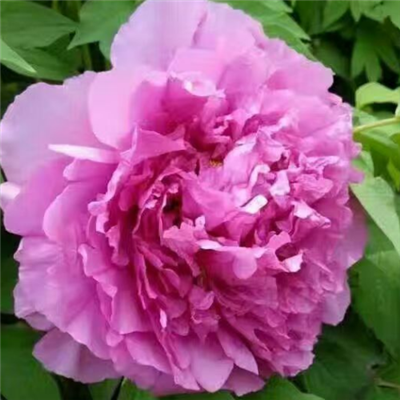
Hey there! I'm a supplier of Black Tree Peony, and I've been in this business for quite a while. One of the most crucial aspects of growing Black Tree Peony is controlling the temperature and humidity in the greenhouse. In this blog, I'll share some tips and tricks on how to do just that.
Why Temperature and Humidity Matter for Black Tree Peony
First off, let's talk about why getting the temperature and humidity right is so important for Black Tree Peony. These beautiful flowers are quite sensitive to their environment. The right temperature and humidity levels can help them grow strong, bloom beautifully, and resist diseases.
Black Tree Peony Black Tree Peony thrives in a specific range of temperature and humidity. If it's too hot or too dry, the plant can get stressed, and its growth may be stunted. On the other hand, if it's too cold or too humid, it can lead to fungal diseases and other problems.
Ideal Temperature and Humidity Ranges
The ideal temperature for Black Tree Peony during the growing season is between 60°F (15°C) and 75°F (24°C). At night, a slightly lower temperature, around 50°F (10°C) to 60°F (15°C), can be beneficial. This temperature difference between day and night helps the plant develop strong roots and healthy foliage.
As for humidity, Black Tree Peony prefers a relative humidity of around 50% to 70%. This level of humidity keeps the plant's leaves from drying out and helps with the overall growth and development.
Controlling Temperature in the Greenhouse
Ventilation
One of the easiest ways to control the temperature in the greenhouse is through proper ventilation. You can install vents at the top and sides of the greenhouse. During the day, when the temperature inside the greenhouse starts to rise, open the vents to let the hot air out. This will help keep the temperature within the ideal range.
You can also use fans to improve air circulation. Place fans near the vents to help pull the hot air out and bring in fresh, cooler air. This not only helps with temperature control but also reduces the risk of fungal diseases by preventing stagnant air.
Shading
In the summer, when the sun is strong, you may need to provide some shading for the greenhouse. You can use shade cloths to block out some of the sunlight. Shade cloths come in different densities, so you can choose one that suits your needs. For Black Tree Peony, a shade cloth that blocks about 30% to 50% of the sunlight is usually sufficient.
Heating
During the winter or in colder climates, you'll need to provide some heating for the greenhouse. There are several options available, such as electric heaters, gas heaters, or even geothermal heating systems. Electric heaters are easy to install and control, but they can be expensive to run. Gas heaters are more cost-effective but require proper ventilation to prevent the buildup of harmful gases.
Controlling Humidity in the Greenhouse
Misting Systems
Misting systems are a great way to increase humidity in the greenhouse. You can install a misting system that sprays a fine mist of water into the air. This helps to raise the humidity level quickly and evenly. You can set the misting system to run at regular intervals, depending on the humidity level in the greenhouse.
Dehumidifiers
On the other hand, if the humidity in the greenhouse is too high, you may need to use a dehumidifier. Dehumidifiers work by removing moisture from the air. They can be especially useful during the rainy season or in areas with high humidity. Place the dehumidifier in a central location in the greenhouse to ensure that it can effectively remove moisture from the entire space.
Watering Practices
Your watering practices can also affect the humidity in the greenhouse. Water the Black Tree Peony plants at the base of the plant, rather than overhead. Overhead watering can increase the humidity in the greenhouse and may lead to fungal diseases. Also, make sure not to overwater the plants, as this can also cause the humidity level to rise.
Monitoring Temperature and Humidity
It's important to regularly monitor the temperature and humidity in the greenhouse. You can use a thermometer and a hygrometer to measure these parameters. Place them in different locations in the greenhouse to get an accurate reading.
There are also smart sensors available that can connect to your smartphone or computer. These sensors can provide real-time data on the temperature and humidity in the greenhouse, allowing you to make adjustments as needed.
Other Considerations
Seasonal Changes
Keep in mind that the temperature and humidity requirements of Black Tree Peony may change depending on the season. During the dormant season, for example, the plant can tolerate lower temperatures and lower humidity levels. You may need to adjust your temperature and humidity control strategies accordingly.
Plant Density
The density of the plants in the greenhouse can also affect the temperature and humidity. If the plants are too crowded, it can lead to poor air circulation and higher humidity levels. Make sure to space the Black Tree Peony plants properly to allow for adequate air movement.


Conclusion
Controlling the temperature and humidity in the greenhouse is essential for the successful growth of Black Tree Peony. By following the tips and strategies outlined in this blog, you can create an ideal environment for your plants.
If you're interested in purchasing Black Tree Peony for your garden or business, I'd love to hear from you. Whether you're a hobbyist gardener or a commercial grower, I can provide you with high-quality Black Tree Peony plants. Just reach out to me, and we can discuss your needs and options.
Don't forget to also check out our other varieties of tree peony, such as the Blue Tree Peony and Pink Tree Peony. They're equally beautiful and can add a touch of elegance to any garden.
References
- "The Complete Guide to Growing Tree Peonies" by XYZ Publishing
- "Greenhouse Gardening for Beginners" by ABC Press
- Various research articles on plant physiology and greenhouse environment control