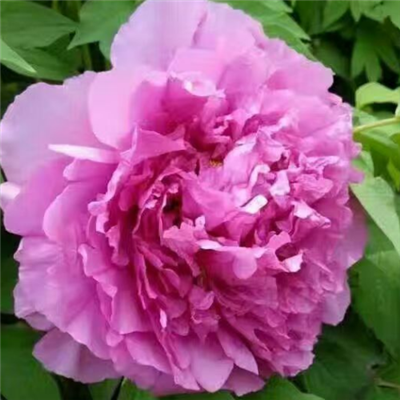
Hey there, fellow gardening enthusiasts! I'm a supplier of Duchess Peony, and I've seen firsthand how important it is to get the soil pH right for these beautiful flowers. In this blog, I'll share some tips on how to adjust the soil pH for Duchess Peony so you can enjoy a thriving garden full of these stunning blooms.
Why Soil pH Matters for Duchess Peony
First off, let's talk about why soil pH is such a big deal for Duchess Peony. These peonies prefer a slightly acidic to neutral soil pH, typically in the range of 6.0 to 7.0. When the soil pH is within this optimal range, the peony can absorb nutrients more efficiently, which is crucial for healthy growth, strong stems, and vibrant flowers.
If the soil is too acidic (pH below 6.0), the peony may have trouble taking up essential nutrients like phosphorus, potassium, and calcium. This can lead to stunted growth, yellowing leaves, and fewer blooms. On the other hand, if the soil is too alkaline (pH above 7.0), the availability of iron, manganese, and other micronutrients can be limited, causing similar problems.
Testing Your Soil pH
Before you start adjusting the soil pH, you need to know what the current pH level is. You can buy a soil pH testing kit at your local garden center or nursery. These kits are usually pretty easy to use. Just follow the instructions on the package, which typically involve taking a soil sample from a few different spots in your garden where you plan to plant the Duchess Peony. Mix the samples together and then use the testing kit to get a reading.
Alternatively, you can send a soil sample to a professional soil testing laboratory. This option may be a bit more expensive, but it will give you a more detailed analysis of your soil, including not only the pH level but also the nutrient content.


Adjusting Acidic Soil (pH Below 6.0)
If your soil test shows that the pH is below 6.0, you'll need to raise the pH to make it more alkaline. Here are some common methods to do this:
Lime Application
Lime is a popular choice for raising soil pH. There are two main types of lime: agricultural lime (calcium carbonate) and dolomitic lime (a combination of calcium carbonate and magnesium carbonate). If your soil is low in magnesium, dolomitic lime is a good option.
The amount of lime you need to apply depends on the current pH level, the type of soil (sandy, loamy, or clay), and the desired pH increase. As a general rule of thumb, you can apply about 5 to 10 pounds of lime per 100 square feet of garden area to raise the pH by about 0.5 units. However, it's best to follow the recommendations on the lime package or the advice from your soil test report.
Spread the lime evenly over the soil surface and then work it into the top 6 to 8 inches of soil using a garden fork or tiller. Water the area thoroughly after applying the lime to help it dissolve and start working.
Wood Ash
Wood ash is another natural way to raise soil pH. It contains potassium, calcium, and other minerals that can also benefit your plants. However, wood ash should be used sparingly because it can raise the pH quickly and may also contain high levels of salts.
You can sprinkle a thin layer of wood ash (about 1/4 to 1/2 inch) over the soil and then work it in gently. Don't apply wood ash too close to your plants, as it can burn the roots. And avoid using ash from treated or painted wood, as it may contain harmful chemicals.
Adjusting Alkaline Soil (pH Above 7.0)
If your soil pH is above 7.0, you'll need to lower the pH to make it more acidic. Here are some effective methods:
Elemental Sulfur
Elemental sulfur is a common choice for lowering soil pH. When sulfur is added to the soil, it is converted by soil bacteria into sulfuric acid, which gradually lowers the pH.
The amount of sulfur you need to apply depends on the current pH level, the soil type, and the desired pH decrease. As a rough estimate, you can apply about 1 to 2 pounds of elemental sulfur per 100 square feet of garden area to lower the pH by about 0.5 units. Again, it's best to follow the recommendations on the sulfur package or the advice from your soil test report.
Spread the sulfur evenly over the soil surface and then work it into the top 6 to 8 inches of soil. Keep in mind that it may take several months for the sulfur to fully react and lower the pH, so be patient.
Organic Matter
Adding organic matter to your soil can also help lower the pH over time. Materials like peat moss, pine needles, and composted leaves are acidic and can gradually acidify the soil as they decompose.
You can mix peat moss into the soil at a rate of about 2 to 3 inches deep. Pine needles can be spread around the base of your plants as a mulch. As they break down, they'll release acids into the soil. Composted leaves can be added to the soil as well, either by mixing them in or using them as a top dressing.
Maintaining the Right Soil pH
Once you've adjusted the soil pH to the optimal range for Duchess Peony, you need to maintain it. Here are some tips to help you do this:
- Regularly test your soil pH: It's a good idea to test your soil pH every year or two to make sure it stays within the desired range. If you notice any changes, you can make adjustments as needed.
- Use the right fertilizers: Some fertilizers can affect soil pH. For example, ammonium-based fertilizers can make the soil more acidic over time, while calcium-based fertilizers can make it more alkaline. Choose fertilizers that are appropriate for your soil pH and the needs of your Duchess Peony.
- Mulch your plants: Mulching helps to conserve moisture, regulate soil temperature, and prevent soil erosion. Organic mulches like bark chips or shredded leaves can also gradually acidify the soil as they decompose.
Other Peony Varieties You Might Like
If you're a fan of Duchess Peony, you might also be interested in some other beautiful peony varieties. Check out the Blue Fuji Peony, Angel Cheeks Peony, and Hawaiian Coral Pink Peony. These varieties have their own unique characteristics and can add a lot of color and charm to your garden.
Get in Touch for Duchess Peony
If you're looking to add Duchess Peony to your garden or if you have any questions about soil pH adjustment or other gardening topics, I'd love to hear from you. I'm a supplier of high-quality Duchess Peony, and I can provide you with healthy plants and expert advice. Don't hesitate to reach out to me to start a procurement discussion.
References
- "The Complete Guide to Peonies" by Susan B. Martin
- "Soil Science Simplified" by Dr. Daniel H. Sullivan