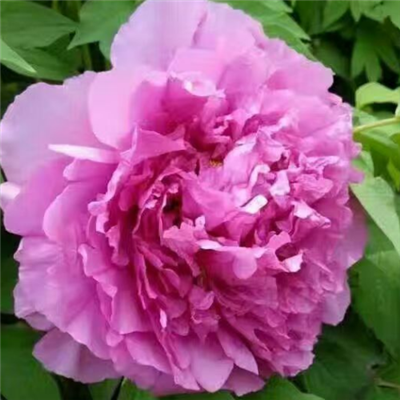
Red Tree Peonies, known scientifically as Paeonia suffruticosa, are a captivating addition to any garden or landscape. As a supplier of these magnificent plants, I often get asked about their growth potential, particularly how tall they can grow. In this blog post, I'll delve into the factors that influence the height of Red Tree Peonies and provide some insights based on my experience in the industry.
Natural Growth Characteristics
Under optimal conditions, Red Tree Peonies can reach an impressive height. On average, they typically grow between 3 to 7 feet (0.9 to 2.1 meters). However, in some exceptional cases, with the right combination of soil, climate, and care, they can even exceed this range and reach up to 10 feet (3 meters) or more.
The growth of Red Tree Peonies is a slow and steady process. They are woody shrubs, and unlike herbaceous peonies that die back to the ground each year, tree peonies retain their above - ground woody stems. This woody nature contributes to their long - term growth and the potential to reach greater heights over time.
Factors Affecting Height
Soil Quality
The soil in which Red Tree Peonies are planted plays a crucial role in their growth. These plants prefer well - drained, fertile soil with a slightly acidic to neutral pH (around 6.5 to 7.0). Rich, loamy soil provides the necessary nutrients for healthy growth. If the soil is too heavy or poorly drained, it can lead to root rot and stunted growth. On the other hand, soil that is too sandy may not hold enough moisture and nutrients, also limiting the plant's height potential.
For example, if you plant a Red Tree Peony in a garden bed with soil that has been amended with compost and organic matter, it will have access to a steady supply of nutrients. This can promote stronger stem development and overall growth, allowing the plant to reach its maximum height potential.
Sunlight Exposure
Red Tree Peonies thrive in partial to full sunlight. They need at least 6 hours of sunlight per day to grow vigorously. Insufficient sunlight can cause the plant to become leggy as it stretches towards the light source, resulting in a weaker structure and potentially reduced height.
However, in regions with extremely hot summers, some afternoon shade can be beneficial to prevent the plant from getting stressed. In such cases, the peony may still grow well, but the growth rate might be slightly slower compared to plants in full sun.
Climate and Temperature
These peonies are hardy plants, but they have specific climate requirements. They are best suited to temperate climates with cold winters and warm summers. Cold winters are necessary for the plant to enter a period of dormancy, which is essential for its long - term health and growth.
In regions with mild winters, the plant may not experience a proper dormancy period, which can affect its growth in the following season. Extreme heat or cold can also cause stress to the plant, limiting its ability to grow to its full height. For instance, if a sudden cold snap occurs during the early spring when the plant is starting to emerge from dormancy, it can damage the new growth and set back the plant's development.
Pruning
Pruning is an important aspect of Red Tree Peony care. While it may seem counterintuitive, proper pruning can actually promote healthy growth and potentially increase the plant's height. Pruning should be done in late winter or early spring before new growth begins.
Removing dead, damaged, or weak branches allows the plant to focus its energy on growing stronger, healthier stems. It also helps to improve air circulation within the plant, reducing the risk of diseases. However, over - pruning can be detrimental, as it can remove too much of the plant's foliage and buds, stunting its growth.
Comparing with Other Peony Varieties
When it comes to height, Red Tree Peonies are generally taller than some other peony varieties. For example, Green Peony is a unique and beautiful variety, but it tends to be more compact in growth, usually reaching a height of around 2 to 4 feet (0.6 to 1.2 meters).
Yellow Tree Peony is another variety that can grow to a similar height range as Red Tree Peonies, but the growth rate and maximum height can vary depending on the specific cultivar and growing conditions.
Our Red Tree Peony Offerings
As a supplier of Red Tree Peonies, we take great care in cultivating these plants to ensure they are of the highest quality. We source our peonies from trusted growers and provide them to our customers at various stages of growth.
Whether you are looking for young plants to start your garden or more mature specimens that are already well - established, we have a wide selection to choose from. Our plants are grown in optimal conditions, with careful attention to soil quality, sunlight, and watering.
We understand that every customer has different needs, and we are committed to providing the best advice and support to help you grow healthy, tall Red Tree Peonies. Whether you are a novice gardener or an experienced horticulturist, our team is here to assist you.
Encouraging Contact for Purchase
If you are interested in adding Red Tree Peonies to your garden or landscape, we invite you to contact us for more information. Our team of experts can answer any questions you may have about the growth, care, and cultivation of these beautiful plants.

We offer competitive pricing and reliable delivery options to ensure that you receive your Red Tree Peonies in excellent condition. Whether you are looking to purchase a single plant or a large quantity for a commercial project, we can accommodate your needs.
Don't miss out on the opportunity to enhance your outdoor space with the stunning beauty of Red Tree Peony. Contact us today to start your journey with these magnificent plants.
References
- Armitage, A. M. (2008). Herbaceous Perennial Plants: A Treatise on Their Identification, Culture, and Garden Attributes. Stipes Publishing.
- Hessayon, D. G. (2012). The Expert Gardener's Book of Peonies. David & Charles.
- Royal Horticultural Society. (n.d.). Tree Peonies. Retrieved from [RHS Website]