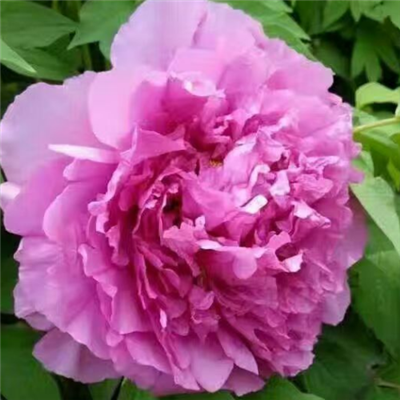
Hey there, fellow flower enthusiasts! I'm a supplier of White Tree Peonies, and I've seen firsthand how the cultivation of these beautiful blooms has changed over time. In this blog post, I'm going to take you on a journey through the history of White Tree Peony cultivation, from its ancient origins to the modern techniques we use today.
Ancient Origins
Let's start at the beginning. The history of tree peonies dates back thousands of years, with records showing that they were cultivated in China as early as the Han Dynasty (206 BC - 220 AD). White Tree Peonies, in particular, were highly prized for their elegant beauty and symbolic meaning. In Chinese culture, the peony is known as the "King of Flowers," and the white variety represents purity, nobility, and prosperity.
During the Tang Dynasty (618 - 907 AD), tree peonies reached the peak of their popularity. Emperors and nobles would plant them in their gardens, and artists would paint them in their works. The cultivation techniques at that time were relatively simple, mainly focusing on selecting the right location, providing adequate water and nutrients, and protecting the plants from pests and diseases.
Medieval and Early Modern Period
As time went on, the cultivation of White Tree Peonies spread to other parts of Asia, including Japan and Korea. In these countries, the peony also became a symbol of beauty and good fortune. During the medieval and early modern period, new cultivation methods were developed, such as grafting and hybridization.
Grafting is a technique where a branch or bud from one plant is attached to another plant. This allows growers to combine the desirable traits of different varieties, such as disease resistance, flower size, and color. Hybridization, on the other hand, involves crossing two different varieties to create a new one. These techniques led to the development of many new and improved White Tree Peony varieties.
The Modern Era
In the modern era, the cultivation of White Tree Peonies has become more scientific and sophisticated. With the advancement of technology, growers now have access to a wide range of tools and resources to help them produce high-quality plants.
One of the biggest changes in modern cultivation is the use of controlled environments. Greenhouses and nurseries allow growers to control factors such as temperature, humidity, light, and water, creating the ideal conditions for the growth of White Tree Peonies. This not only improves the quality of the plants but also allows for year-round production.
Another important development is the use of genetic engineering and biotechnology. Scientists are now able to identify and manipulate the genes responsible for specific traits in White Tree Peonies, such as flower color, fragrance, and disease resistance. This has the potential to create new varieties with even more desirable characteristics.
Current Trends in Cultivation
Today, there are several trends in the cultivation of White Tree Peonies that are worth noting. One of these is the increasing demand for organic and sustainable cultivation methods. Consumers are becoming more aware of the environmental impact of agriculture and are looking for products that are grown in a more natural and eco-friendly way.


Another trend is the focus on creating new and unique varieties. Growers are constantly experimenting with different hybridization techniques to develop White Tree Peonies with new colors, shapes, and sizes. For example, there are now varieties with double or semi-double flowers, as well as those with variegated leaves.
In addition, there is a growing interest in using White Tree Peonies for cut flowers. Their large, showy blooms and long vase life make them a popular choice for floral arrangements. As a result, growers are now focusing on producing plants that are specifically suited for cut flower production.
My Experience as a Supplier
As a supplier of White Tree Peonies, I've had the opportunity to witness these changes firsthand. Over the years, I've seen the demand for these beautiful flowers grow steadily, both in the domestic and international markets.
One of the challenges I face as a supplier is keeping up with the latest cultivation techniques and trends. I'm constantly learning and experimenting to improve the quality of my plants and to offer my customers the best possible products.
Another challenge is dealing with the competition. There are many other suppliers in the market, and it can be difficult to stand out. To overcome this, I focus on providing excellent customer service, offering high-quality products at competitive prices, and building long-term relationships with my customers.
Conclusion
In conclusion, the cultivation of White Tree Peonies has come a long way over the years. From its ancient origins in China to the modern scientific techniques used today, these beautiful flowers have captured the hearts of people around the world.
As a supplier, I'm excited to be a part of this industry and to see how it continues to evolve. Whether you're a gardener, a florist, or just someone who appreciates the beauty of flowers, I encourage you to consider adding White Tree Peonies to your collection.
If you're interested in purchasing White Tree Peonies or have any questions about our products, please don't hesitate to [contact me for a purchase discussion]. I'd be happy to help you find the perfect plants for your needs.
References
- "The History of Tree Peonies in China." Journal of Horticultural Science and Biotechnology.
- "Modern Cultivation Techniques for Tree Peonies." International Journal of Plant Science.
- "Trends in the Global Tree Peony Market." Floriculture Business Review.