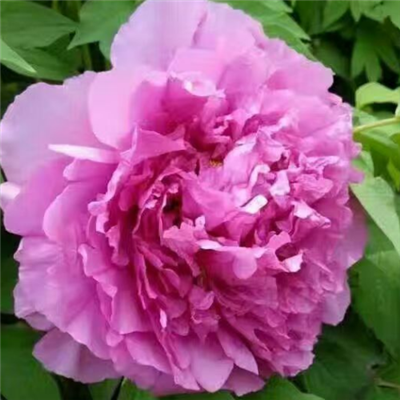
Native peonies, with their resplendent blooms and rich cultural heritage, have long been a symbol of prosperity and beauty. As a native peonies supplier, I am often asked whether these magnificent plants can be successfully grown in containers on balconies. In this blog, I will delve into the feasibility of balcony cultivation of native peonies, sharing essential tips and insights based on my experience in the field.
Suitability of Native Peonies for Container Gardening
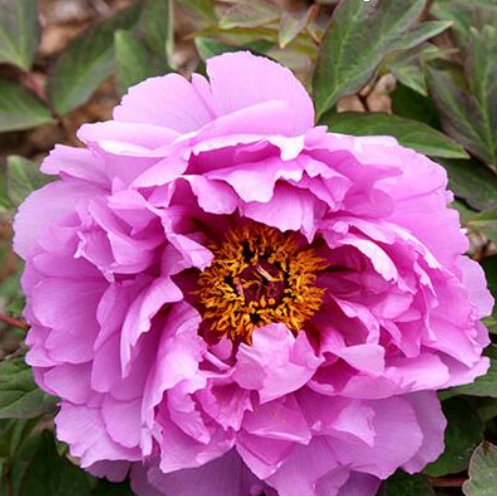
Native peonies, which include various species such as Paeonia suffruticosa and its cultivars, are generally adaptable to container growing. Unlike some plants that require vast root systems to thrive, peonies can adjust to the confined space of a container as long as certain conditions are met. The key lies in providing an environment that mimics their natural habitat as closely as possible.
One of the primary advantages of growing native peonies in containers on balconies is the ability to control the growing conditions. You can carefully select the soil, monitor watering, and protect the plants from extreme weather. This level of control can be particularly beneficial in urban environments where space is limited and the microclimate may vary.
Selecting the Right Container
The first step in balcony peony cultivation is choosing the appropriate container. A large, sturdy pot is essential to accommodate the peony's root system. A container with a diameter of at least 18 - 24 inches and a depth of 18 inches or more is recommended. This provides enough room for the roots to grow and spread, ensuring the plant's stability and health.
The material of the container also matters. Terracotta pots are a popular choice as they are porous, allowing for better air circulation and drainage. However, they can dry out quickly, so you may need to water more frequently. Plastic or fiberglass containers are lightweight and retain moisture better, but they may not offer the same level of breathability.
Soil Requirements
Native peonies prefer well - drained, fertile soil. A good potting mix for peonies should consist of a combination of loam, compost, and perlite or vermiculite. Loam provides a balanced texture, while compost enriches the soil with nutrients. Perlite or vermiculite improves drainage and aeration, preventing waterlogging, which can be detrimental to peony roots.
When filling the container, make sure to leave about 2 - 3 inches of space at the top to allow for watering. Gently firm the soil around the peony root, but avoid compacting it too tightly, as this can restrict root growth.
Choosing the Right Peony Varieties
Not all native peony varieties are equally suitable for container gardening on balconies. Some compact and dwarf varieties are better adapted to the limited space. For example, the Blue Hibiscus Peony is a beautiful option. It has relatively smaller growth habits compared to some larger peony varieties, making it more manageable in a container.
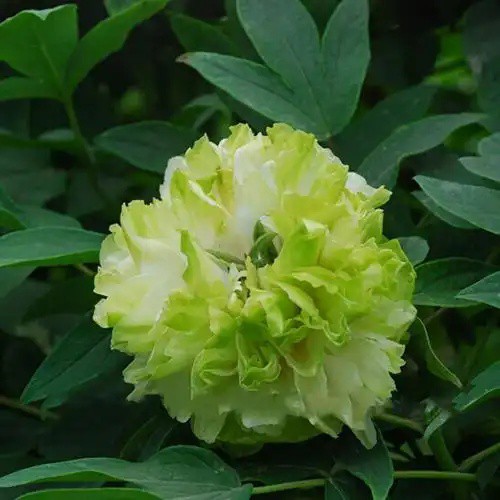
Another excellent choice is the Paeonia Suffruticosa "Yao Huang". This variety is known for its large, golden - yellow flowers and can thrive in a container if provided with proper care. The Green Screen Hidden Jade Peony is also a great option, with its unique green - tinged petals and moderate growth.
Sunlight and Temperature
Native peonies require plenty of sunlight to bloom. Place the container on a balcony that receives at least 6 - 8 hours of direct sunlight per day. However, in regions with extremely hot summers, some afternoon shade may be beneficial to prevent the plant from overheating.
Peonies are also cold - hardy plants. They need a period of winter dormancy to bloom successfully. In most temperate climates, leaving the peony container outdoors during winter is fine, as long as the roots are protected from freezing. You can wrap the container with insulating material or move it to a sheltered location if necessary.
Watering and Fertilizing
Proper watering is crucial for container - grown peonies. Water the plant deeply when the top 2 - 3 inches of soil feel dry. Avoid over - watering, as this can lead to root rot. During the growing season, especially in hot and dry weather, you may need to water more frequently.
Fertilizing is also important to ensure healthy growth and abundant blooms. Use a balanced, slow - release fertilizer in early spring when new growth appears. You can also apply a liquid fertilizer every 4 - 6 weeks during the growing season. However, be careful not to over - fertilize, as this can cause excessive foliage growth at the expense of flowers.
Pruning and Maintenance
Pruning native peonies in containers is similar to pruning them in the ground. Remove any dead, damaged, or diseased branches in early spring. After the peony has finished blooming, cut back the spent flower stems to encourage new growth.
Inspect the plant regularly for pests and diseases. Common pests that may affect peonies include aphids, spider mites, and scale insects. You can use natural or chemical pesticides to control these pests, but always follow the instructions carefully.
Challenges and Solutions
Balcony cultivation of native peonies is not without its challenges. One of the main issues is the limited space, which can restrict root growth and lead to nutrient deficiencies. To address this, you can repot the peony every 2 - 3 years into a larger container with fresh soil.
Another challenge is the risk of extreme weather conditions. Strong winds can damage the peony's delicate flowers and foliage. You can use stakes or trellises to support the plant and protect it from wind damage. Heavy rain can also cause waterlogging, so make sure the container has adequate drainage holes.
Conclusion
In conclusion, native peonies can indeed be grown in containers on balconies with the right care and attention. By selecting the appropriate container, soil, and variety, and providing the necessary sunlight, water, and nutrients, you can enjoy the beauty of these magnificent flowers in your own urban oasis.
As a native peonies supplier, I am passionate about sharing the joy of growing these plants. If you are interested in purchasing native peonies for your balcony or have any questions about their cultivation, please feel free to contact me. I would be more than happy to assist you in your gardening journey and help you select the perfect peonies for your needs.
References
- Armitage, A. M. (2008). Herbaceous Perennial Plants: A Treatise on Their Identification, Culture, and Garden Attributes. Timber Press.
- Dirr, M. A. (2009). Manual of Woody Landscape Plants: Their Identification, Ornamental Characteristics, Culture, Propagation and Uses. Stipes Publishing.