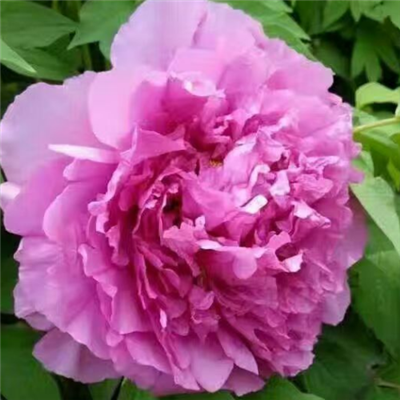
As a supplier of multi - color peonies, I often receive inquiries from gardening enthusiasts and commercial growers about the feasibility of cultivating these beautiful flowers in humid climates. The allure of multi - color peonies, with their stunning array of hues and large, showy blooms, is undeniable. But the question of whether they can thrive in a humid environment is a complex one that requires a detailed exploration.
Understanding Multi - color Peonies
Multi - color peonies come in a wide variety of forms and colors, including the Pink Tree Peony, Yellow Tree Peony, and Dark Pink Peony. These peonies are a result of careful breeding and hybridization, which has led to the creation of plants with unique color combinations and characteristics.
Peonies are generally classified into two main types: herbaceous peonies and tree peonies. Herbaceous peonies die back to the ground each winter and regrow in the spring, while tree peonies have a woody stem that persists year - round. Both types can produce multi - colored blooms, but they have different requirements for growth and care.
The Challenges of a Humid Climate
Humid climates present several challenges for peony cultivation. High humidity levels can create an environment that is conducive to the growth of fungal diseases, such as botrytis blight, powdery mildew, and root rot. These diseases can cause damage to the leaves, stems, and flowers of the peony plants, and in severe cases, can even kill the plants.
In addition to fungal diseases, high humidity can also affect the pollination process. Peonies rely on insects, such as bees, for pollination. However, in a humid environment, the pollen can become sticky and clump together, making it difficult for insects to transfer the pollen from one flower to another. This can result in poor fruit set and reduced seed production.
Another challenge of a humid climate is the potential for excessive moisture in the soil. Peonies prefer well - drained soil, and waterlogged soil can lead to root suffocation and the development of root diseases. In a humid climate, it can be difficult to maintain proper soil drainage, especially if the soil has a high clay content.
Strategies for Growing Multi - color Peonies in a Humid Climate
Despite the challenges, it is possible to grow multi - color peonies in a humid climate with the right strategies. Here are some tips for successful peony cultivation in a humid environment:
Site Selection
Choose a planting site that receives at least six hours of direct sunlight per day. Sunlight helps to dry the foliage and reduce the risk of fungal diseases. The site should also have good air circulation to prevent the buildup of humidity around the plants. Avoid planting peonies in low - lying areas or areas that are prone to flooding.


Soil Preparation
Prepare the soil before planting by adding organic matter, such as compost or well - rotted manure. Organic matter helps to improve soil structure and drainage, which is essential for peony health. Aim for a soil pH between 6.5 and 7.5, as peonies prefer slightly acidic to neutral soil.
Planting
When planting peonies, make sure to plant them at the correct depth. Herbaceous peonies should be planted with the eyes (buds) no more than 2 inches below the soil surface, while tree peonies should be planted at the same depth as they were in the nursery container. Planting too deep can prevent the peonies from blooming.
Watering
Water peonies deeply but infrequently. Avoid overhead watering, as this can wet the foliage and increase the risk of fungal diseases. Instead, water at the base of the plants using a soaker hose or drip irrigation system. Make sure to water the plants early in the day so that the foliage has time to dry before nightfall.
Pruning
Prune peonies regularly to remove dead, diseased, or damaged foliage. This helps to improve air circulation around the plants and reduce the risk of fungal diseases. After the peonies have finished blooming, remove the spent flowers to prevent the development of seed pods.
Disease Management
Monitor the peony plants regularly for signs of fungal diseases. If you notice any signs of disease, such as spots on the leaves or mold on the stems, take action immediately. You can use fungicides to control fungal diseases, but it is important to follow the instructions on the label carefully. In addition, you can practice good sanitation by removing and destroying any infected plant material.
Success Stories of Peony Cultivation in Humid Climates
There are many growers who have successfully grown multi - color peonies in humid climates. For example, in the southeastern United States, where the climate is hot and humid, some growers have had great success with tree peonies. By following the strategies outlined above, these growers have been able to produce healthy, vibrant peony plants with beautiful multi - colored blooms.
One grower in Georgia reported that they were able to grow a variety of multi - color peonies, including the Dark Pink Peony, by planting them in raised beds with well - drained soil and providing adequate air circulation. They also used a preventive fungicide spray program to control fungal diseases.
Conclusion
In conclusion, while growing multi - color peonies in a humid climate can be challenging, it is not impossible. With the right strategies for site selection, soil preparation, planting, watering, pruning, and disease management, it is possible to cultivate healthy and beautiful peony plants in a humid environment.
If you are interested in purchasing multi - color peonies for your garden or for commercial purposes, I invite you to contact me. I offer a wide selection of high - quality multi - color peonies, including herbaceous and tree peonies in a variety of colors and forms. Whether you are a novice gardener or an experienced grower, I can provide you with the advice and support you need to successfully grow these stunning flowers.
References
- "Peony Diseases and Pests" by the American Peony Society.
- "Growing Peonies" by the Royal Horticultural Society.
- "Tree Peonies: A Gardener's Guide" by Christopher Brickell.