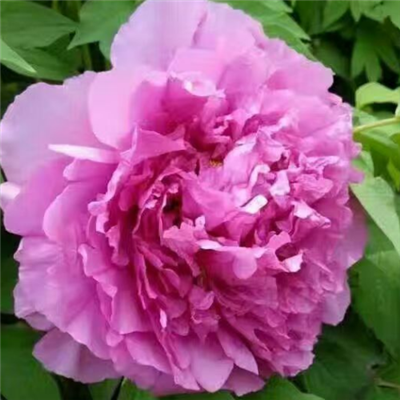
Hey there, fellow gardening enthusiasts! I'm a supplier of Japan tree peonies, and I often get asked a bunch of questions about growing these beauties. One question that pops up quite a bit is, "Can Japan tree peonies be grown in sandy soil?" Well, let's dig into this topic and find out.
First off, let me give you a bit of background on Japan tree peonies. These peonies are known for their stunning, large blooms and unique colors. They've got a long - standing history in Japanese horticulture and have been admired for centuries. Some of the popular varieties include the Sun and Moon Peony, the Flower Oil Peony, and the Imperial Concubine Inserts Green Peony. Each of these varieties has its own charm and can add a touch of elegance to any garden.
Now, let's talk about sandy soil. Sandy soil is characterized by its large particles, which means it drains water really quickly. It warms up faster in the spring compared to other soil types, but it also dries out more easily and doesn't hold nutrients as well. So, can Japan tree peonies thrive in this kind of soil?
The short answer is, it's possible, but there are some things you need to keep in mind. Japan tree peonies generally prefer well - drained soil, which is a plus when it comes to sandy soil. However, the lack of nutrient - holding capacity and moisture retention can be a challenge.
One of the first things you should do if you want to grow Japan tree peonies in sandy soil is to amend the soil. You can add organic matter like compost, well - rotted manure, or leaf mold. These materials will help improve the soil's structure, allowing it to hold onto moisture and nutrients better. For example, compost is rich in organic compounds that can break down over time, releasing nutrients slowly to the peonies. When you add compost to sandy soil, it also helps to bind the sand particles together, creating a more loamy texture.
Another important factor is watering. Since sandy soil drains so quickly, you'll need to water your Japan tree peonies more frequently than you would in other soil types. But be careful not to over - water. Over - watering can lead to root rot, which is a major problem for peonies. A good rule of thumb is to water deeply but infrequently. This encourages the roots to grow deeper into the soil in search of water, making the plant more drought - tolerant in the long run.
Fertilizing is also crucial when growing Japan tree peonies in sandy soil. Because sandy soil doesn't hold nutrients well, you'll need to provide extra nutrients to your plants. A balanced fertilizer, such as a 10 - 10 - 10 or 14 - 14 - 14, can be applied in the spring when new growth starts. You can also add a slow - release fertilizer to ensure a steady supply of nutrients throughout the growing season.
When it comes to planting Japan tree peonies in sandy soil, the process is similar to planting them in other soil types. Dig a hole that is twice as wide and just as deep as the root ball of the peony. Place the peony in the hole, making sure the eyes (the small buds on the roots) are no more than 2 inches below the soil surface. Backfill the hole with the amended soil, gently firming it around the roots.
Mulching is another great practice for growing Japan tree peonies in sandy soil. A layer of mulch, such as wood chips or straw, can help to retain moisture in the soil, suppress weeds, and regulate soil temperature. Apply a 2 - 3 inch layer of mulch around the base of the peony, but make sure to keep it a few inches away from the stem to prevent rot.
Let's talk about the potential problems you might face when growing Japan tree peonies in sandy soil. One issue is that the peonies may be more susceptible to pests and diseases. The stress of growing in less - than - ideal soil conditions can weaken the plants, making them more vulnerable. For example, spider mites and aphids are common pests that can attack peonies. To prevent these problems, keep an eye on your plants regularly and take appropriate measures at the first sign of trouble. You can use insecticidal soaps or neem oil to control pests, and make sure to keep the area around the plants clean to prevent the spread of diseases.


Another problem is that the peonies may not bloom as well as they would in more fertile soil. The lack of nutrients can affect the plant's ability to produce large, healthy blooms. However, with proper soil amendment, watering, and fertilizing, you can still get beautiful flowers from your Japan tree peonies.
In conclusion, while growing Japan tree peonies in sandy soil presents some challenges, it's definitely doable. By amending the soil, watering and fertilizing properly, and taking good care of your plants, you can enjoy the beauty of these peonies in your sandy - soil garden.
If you're interested in adding some Japan tree peonies to your garden, whether you have sandy soil or not, I'd love to hear from you. I'm here to help you choose the right varieties and provide you with all the information you need to grow them successfully. Feel free to reach out to me for more details and to start the procurement negotiation process.
References
- "The Complete Guide to Growing Peonies" by Peony Experts
- "Soil Science for Gardeners" by Gardening Gurus