Can Black Tree Peony be used in landscaping?
As a supplier of Black Tree Peony, I am often asked whether this unique flower can be effectively used in landscaping. The answer is a resounding yes! Black Tree Peony, with its distinct color and elegant form, offers a plethora of opportunities for creating stunning landscapes.
Characteristics of Black Tree Peony
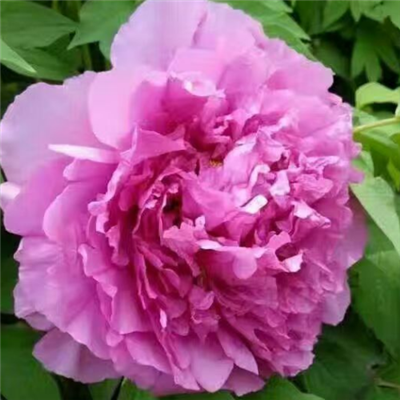
The Black Tree Peony, scientifically known as Paeonia suffruticosa, is a remarkable plant. Its most striking feature is, of course, its dark - hued flowers. Unlike the more common pink, white, or red peonies, the Black Tree Peony presents a deep, rich color that can range from a dark maroon to a near - black shade. This color is not only rare in the plant kingdom but also adds a touch of mystery and sophistication to any landscape.


The flowers of the Black Tree Peony are large and showy, often with multiple layers of petals. They can reach up to 8 - 10 inches in diameter, making them a focal point in any garden setting. The plant itself is a deciduous shrub that can grow up to 3 - 5 feet tall, with a spread of about 4 - 6 feet. It has a bushy and upright growth habit, which provides a good structure in the landscape.
Advantages in Landscaping
Aesthetic Appeal
One of the main reasons to use Black Tree Peony in landscaping is its aesthetic value. The dark color of the flowers creates a dramatic contrast when paired with lighter - colored plants. For example, planting Black Tree Peonies alongside Orange Tree Peony or Red Tree Peony can result in a vibrant and eye - catching display. The combination of the deep blackish - red of the Black Tree Peony with the bright orange or red of the other varieties creates a color palette that is both harmonious and striking.
In a formal garden, Black Tree Peonies can be used as specimen plants. Placed at the center of a circular bed or at the end of a walkway, they draw the eye and become a centerpiece. In a more naturalistic or cottage - style garden, they can be integrated into a mixed border. Their large flowers stand out among the smaller perennials and annuals, adding height and interest.
Seasonal Interest
Black Tree Peonies bloom in late spring to early summer, usually around May or June. This is a time when many other spring - blooming plants are starting to fade, and summer - blooming plants are just beginning to emerge. The arrival of the Black Tree Peony's flowers provides a burst of color and beauty during this transitional period.
Even after the flowers have faded, the plant's foliage remains attractive. The leaves are deeply lobed and have a rich green color that lasts throughout the summer. In the fall, the leaves may turn yellow or red, adding another layer of seasonal interest to the landscape.
Low Maintenance
Another advantage of using Black Tree Peonies in landscaping is their relatively low maintenance requirements. Once established, they are quite hardy and can tolerate a wide range of soil conditions, as long as the soil is well - drained. They prefer full sun to partial shade, but can also adapt to different light levels.
Black Tree Peonies do not require frequent pruning. In fact, excessive pruning can damage the plant and reduce its flowering potential. A light pruning in late winter or early spring to remove any dead or damaged branches is usually sufficient. They are also relatively pest - and disease - resistant, which makes them a hassle - free addition to the landscape.
Design Ideas for Landscaping with Black Tree Peony
Monochromatic Gardens
A monochromatic garden using Black Tree Peonies can create a very elegant and sophisticated look. Combine different shades of black, dark purple, and deep red plants with the Black Tree Peony. For example, pair it with black mondo grass (Ophiopogon planiscapus 'Nigrescens') and dark purple heucheras. The contrast between the large, showy flowers of the Black Tree Peony and the fine - textured foliage of the other plants adds depth and interest to the monochromatic scheme.
Asian - Inspired Gardens
Black Tree Peonies have a long history in Asian cultures, especially in China and Japan. They can be a perfect addition to an Asian - inspired garden. Plant them near a small pond or a rock garden. The reflection of the dark flowers in the water can create a serene and peaceful atmosphere. Combine them with bamboo, Japanese maples, and other traditional Asian plants to complete the look.
Mixed Borders
In a mixed border, Black Tree Peonies can be planted in the middle or back row. Surround them with low - growing perennials such as lavender, catmint, and salvia. These plants not only provide a colorful backdrop for the Black Tree Peony but also attract pollinators like bees and butterflies. The combination of different plant heights, textures, and colors creates a dynamic and ever - changing landscape.
Considerations when Using Black Tree Peony in Landscaping
Space Requirements
As mentioned earlier, Black Tree Peonies can grow to a relatively large size. When planning a landscape, it is important to give them enough space to grow and spread. Plant them at least 3 - 4 feet apart to allow for proper air circulation and growth. This will also prevent overcrowding, which can lead to poor air circulation and an increased risk of disease.
Soil and Drainage
Although Black Tree Peonies can tolerate a wide range of soil conditions, they prefer well - drained soil. Poorly drained soil can cause root rot, which can be fatal to the plant. If your soil is heavy clay, consider amending it with organic matter such as compost or peat moss to improve drainage.
Climate
Black Tree Peonies are hardy in USDA zones 4 - 9. They can tolerate cold winters, but in areas with extremely cold temperatures, some winter protection may be necessary. In hot and humid climates, proper air circulation is crucial to prevent fungal diseases.
Conclusion
In conclusion, Black Tree Peony is an excellent choice for landscaping. Its unique color, large flowers, and low - maintenance nature make it a valuable addition to any garden. Whether you are creating a formal garden, an Asian - inspired landscape, or a mixed border, the Black Tree Peony can add beauty, drama, and seasonal interest.
If you are interested in incorporating Black Tree Peonies into your landscaping projects, I invite you to explore our wide selection of Black Tree Peony. We are committed to providing high - quality plants that will thrive in your landscape. Contact us to discuss your specific needs and start creating a stunning landscape with Black Tree Peonies.
References
- Dirr, M. A. (1998). Manual of Woody Landscape Plants: Their Identification, Ornamental Characteristics, Culture, Propagation and Uses. Stipes Publishing.
- Hessayon, D. G. (2006). The Complete Gardener's Guide. Dorling Kindersley.