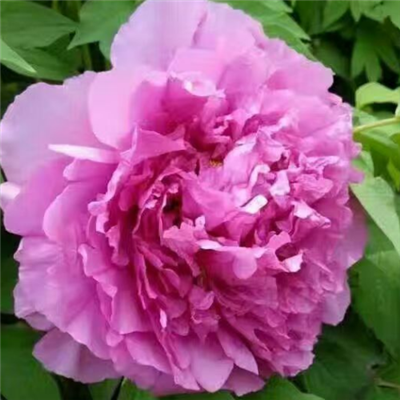
Hey there, fellow gardening enthusiasts! I'm an Angel Cheek Peony supplier, and I often get asked if these gorgeous peonies can be grown in coastal areas. Well, let's dig into this topic and find out!
First off, let's talk a bit about Angel Cheek Peonies. They're known for their stunning blooms, with delicate petals that look like they're straight out of a fairytale. These peonies are a real show - stopper in any garden. But the coastal environment is a bit of a different beast compared to other areas.
Coastal areas have some unique characteristics. One of the main things is the salt in the air. The ocean breeze carries tiny salt particles, and these can be a problem for some plants. Salt can build up in the soil over time, making it difficult for plants to take up water and nutrients. It can also damage the leaves and stems of plants, causing them to turn brown and wilt.
Another factor is the wind. Coastal winds can be strong and constant, which can break or damage the tall, delicate stems of peonies. And the temperature fluctuations in coastal areas can be quite significant. During the day, it might be warm, but at night, it can get pretty cool, especially during the off - season.
Now, let's see how Angel Cheek Peonies handle these coastal challenges. Peonies in general are quite hardy plants. They have deep root systems that help them access water and nutrients even in less - than - ideal conditions. But when it comes to salt, it's a bit of a mixed bag.
Some peonies can tolerate a small amount of salt in the soil. However, if the salt levels are too high, it can still cause problems. Angel Cheek Peonies are relatively resilient, but they're not completely immune to salt damage. To protect them from salt, you can create a barrier. For example, you can plant them a bit further inland from the shoreline or use a windbreak made of shrubs or fences to reduce the amount of salt - laden air that reaches them.
As for the wind, staking is your friend. You can use bamboo stakes or metal rods to support the peony stems. This will prevent them from being blown over by the strong coastal winds. Make sure to tie the stems gently to the stakes using soft twine so you don't damage the plants.
Temperature fluctuations can also be managed. Peonies need a period of cold dormancy in the winter to bloom properly. The cool nights in coastal areas can actually be beneficial for this. However, during the summer, if it gets too hot during the day, you might need to provide some shade. You can use shade cloth or plant them near taller plants that can provide natural shade.


Let's also compare Angel Cheek Peonies with some other popular peony varieties. The Duchess Peony is another beautiful option. It has large, double - petaled flowers and is known for its strong fragrance. Like Angel Cheek Peonies, it can tolerate a bit of coastal conditions, but it might also need some protection from salt and wind.
The Blue Fuji Peony is a unique variety with pale blue - tinted petals. It's a bit more sensitive to extreme conditions compared to Angel Cheek Peonies. The salt in coastal air can be more of a problem for it, so extra care is needed if you want to grow it in a coastal area.
Then there's the Charles White Peony. It has pure white, large flowers and is quite popular among gardeners. It has a similar level of hardiness to Angel Cheek Peonies when it comes to coastal conditions. But again, proper protection from salt and wind is essential.
When it comes to soil in coastal areas, it's often sandy and well - drained. Peonies generally prefer well - drained soil, so this can be a plus. However, sandy soil can also be low in nutrients. You'll need to amend the soil with organic matter like compost or well - rotted manure to provide the peonies with the nutrients they need to grow and bloom.
Watering is also important. Coastal areas can be dry, especially during the summer. Peonies need regular watering, but you don't want to over - water them. Make sure the soil is moist but not waterlogged. A good rule of thumb is to water deeply once a week, but adjust this depending on the weather conditions.
If you're thinking about growing Angel Cheek Peonies in a coastal area, here are some steps you can take. First, choose a suitable location. Look for a spot that gets plenty of sunlight but is also protected from the worst of the wind and salt. Prepare the soil by adding organic matter and making sure it drains well.
Plant the peonies at the right depth. The eyes (the small buds on the roots) should be no more than 2 inches below the soil surface. This is important for proper growth and blooming. After planting, stake the peonies to support the stems as they grow.
During the growing season, fertilize the peonies regularly with a balanced fertilizer. This will help them produce healthy foliage and beautiful blooms. And keep an eye out for pests and diseases. Coastal areas can have their own set of pests, so be prepared to take action if you notice any problems.
In conclusion, yes, Angel Cheek Peonies can be grown in a coastal area, but they do require some extra care and attention. With the right precautions, you can enjoy these beautiful flowers in your coastal garden.
If you're interested in purchasing Angel Cheek Peonies or have any questions about growing them, I'd love to chat. Whether you're a professional gardener or just starting out, I can provide you with the best peonies and advice to make your garden a success.
References
- "The Peony Book" by Jane Fearnley - Whittingstall
- Various gardening magazines and online resources on peony cultivation