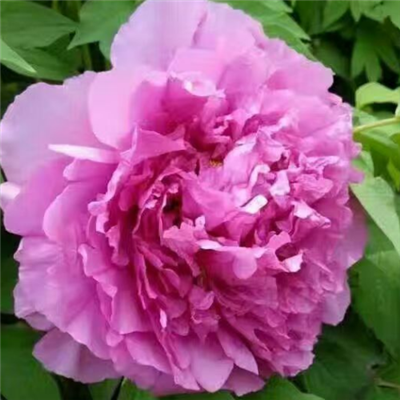
Are there different grades of flower oil peony? This is a question that often arises among consumers and industry players alike. As a supplier of flower oil peony, I have had the privilege of delving deep into the world of these magnificent flowers and understanding the nuances that distinguish different grades. In this blog post, I will share my insights on the various grades of flower oil peony, their characteristics, and the factors that influence their quality.
Understanding Flower Oil Peony
Flower oil peony, also known as Paeonia suffruticosa, is a species of peony that is highly valued for its essential oil, which is extracted from its flowers. The oil is rich in antioxidants, vitamins, and fatty acids, making it a popular ingredient in the cosmetic, perfume, and wellness industries. The quality of the flower oil peony is determined by several factors, including the variety of the peony, the growing conditions, the harvesting time, and the extraction method.
Different Grades of Flower Oil Peony
There are indeed different grades of flower oil peony, which can be classified based on their quality, purity, and aroma. Here are some of the common grades that I have encountered in my experience as a supplier:
Premium Grade
The premium grade of flower oil peony is characterized by its high purity, intense aroma, and rich concentration of beneficial compounds. These peonies are typically grown in optimal conditions, with careful attention to soil quality, sunlight exposure, and water management. The flowers are harvested at the peak of their bloom, when the essential oil content is at its highest. The extraction process is also carried out using advanced techniques to ensure the preservation of the oil's quality and integrity.
Premium grade flower oil peony is often used in high-end cosmetic products, luxury perfumes, and therapeutic applications. It is highly sought after by consumers who are willing to pay a premium for the best quality products.
Standard Grade
The standard grade of flower oil peony is of good quality, but it may not have the same level of purity and aroma as the premium grade. These peonies are usually grown in less ideal conditions, or they may be harvested slightly earlier or later than the optimal time. The extraction process may also be less sophisticated, resulting in a lower concentration of essential oil.
Standard grade flower oil peony is commonly used in mid-range cosmetic products, mass-market perfumes, and general wellness applications. It offers a good balance between quality and affordability, making it a popular choice for a wide range of consumers.
Lower Grade
The lower grade of flower oil peony is of relatively poor quality, with a lower purity and weaker aroma. These peonies may be grown in suboptimal conditions, or they may be damaged during the harvesting or extraction process. The essential oil content may also be lower, resulting in a less concentrated and less effective product.


Lower grade flower oil peony is often used in low-cost cosmetic products, budget perfumes, and industrial applications. It is not recommended for high-quality or therapeutic use, as it may not provide the same benefits as the higher grades.
Factors Influencing the Grade of Flower Oil Peony
Several factors can influence the grade of flower oil peony, including:
Variety of Peony
Different varieties of peony have different chemical compositions and essential oil profiles, which can affect the quality and aroma of the flower oil. Some varieties are known for their high essential oil content, while others may have a more complex or unique aroma. For example, the Island Peony is a popular variety that is known for its sweet and floral aroma, while the Imperial Concubine Inserts Green Peony is valued for its delicate and refreshing scent.
Growing Conditions
The growing conditions, such as soil quality, sunlight exposure, temperature, and humidity, can have a significant impact on the quality of the peony flowers and the essential oil they produce. Peonies that are grown in fertile soil, with adequate sunlight and water, are more likely to produce high-quality flowers with a higher essential oil content. On the other hand, peonies that are grown in poor soil, or in areas with extreme weather conditions, may produce lower-quality flowers with a weaker aroma.
Harvesting Time
The timing of the harvest is crucial for determining the quality of the flower oil peony. The flowers should be harvested at the peak of their bloom, when the essential oil content is at its highest. If the flowers are harvested too early, the essential oil content may be low, and the aroma may be weak. If the flowers are harvested too late, the essential oil may have already started to degrade, resulting in a lower quality product.
Extraction Method
The extraction method used to obtain the essential oil from the peony flowers can also affect the quality of the final product. There are several methods available, including steam distillation, solvent extraction, and cold pressing. Each method has its own advantages and disadvantages, and the choice of method depends on the specific requirements of the product.
Steam distillation is the most common method used for extracting essential oils from flowers, as it is a gentle and effective way to preserve the oil's quality and aroma. Solvent extraction is a more efficient method, but it may leave behind traces of solvents in the final product. Cold pressing is a mechanical method that is used to extract oil from fruits and seeds, but it is not commonly used for flower oil peony.
Importance of Choosing the Right Grade
Choosing the right grade of flower oil peony is important for several reasons. Firstly, the quality of the essential oil can have a significant impact on the effectiveness of the product. Higher grades of flower oil peony are more likely to contain a higher concentration of beneficial compounds, such as antioxidants and fatty acids, which can provide greater benefits for the skin, hair, and overall health.
Secondly, the aroma of the essential oil can affect the sensory experience of the product. Premium grade flower oil peony has a more intense and complex aroma, which can enhance the fragrance of cosmetic products and perfumes. On the other hand, lower grade flower oil peony may have a weaker or less pleasant aroma, which can detract from the overall quality of the product.
Finally, the cost of the essential oil is also an important consideration. Higher grades of flower oil peony are generally more expensive than lower grades, due to the higher cost of production and the limited availability of the raw materials. However, investing in a higher grade of essential oil can be worth it in the long run, as it can provide better results and a more satisfying experience for the consumer.
Conclusion
In conclusion, there are indeed different grades of flower oil peony, which can be classified based on their quality, purity, and aroma. The grade of the peony is influenced by several factors, including the variety of the peony, the growing conditions, the harvesting time, and the extraction method. Choosing the right grade of flower oil peony is important for ensuring the effectiveness, sensory experience, and cost-effectiveness of the product.
As a supplier of flower oil peony, I am committed to providing my customers with the highest quality products at competitive prices. I work closely with my growers and extraction partners to ensure that the peonies are grown and processed using the best practices and techniques. If you are interested in learning more about our flower oil peony products, or if you would like to discuss your specific requirements, please do not hesitate to contact me. I would be happy to assist you in finding the right grade of flower oil peony for your needs.
References
- [1] "The Chemistry of Essential Oils and Aromatics," by David Stewart
- [2] "Aromatherapy: A Complete Guide to the Healing Art," by Kathi Keville and Mindy Green
- [3] "The Complete Book of Essential Oils and Aromatherapy," by Valerie Ann Worwood