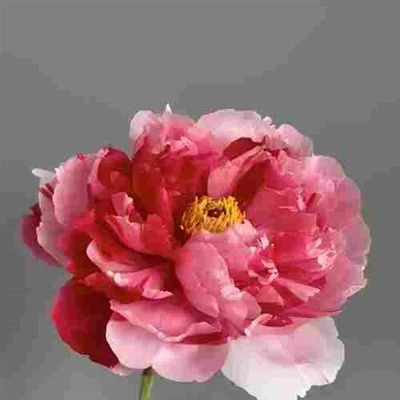
As a supplier of Orange Tree Peonies, I've often been asked about the drought tolerance of these captivating plants. This question isn't just a matter of botanical curiosity; it has real - world implications for growers, landscapers, and gardening enthusiasts. In this blog, I'll delve into the scientific aspects of whether Orange Tree Peonies can survive drought.
Understanding Orange Tree Peonies
Orange Tree Peonies, scientifically known as Paeonia suffruticosa, are a remarkable variety of tree peonies. These peonies are celebrated for their stunning, large, orange - hued blossoms that can add a splash of warm color to any garden or landscape. They are a part of a diverse color palette of tree peonies, which also includes Black Tree Peony, Multi - color Peony, Dark Pink Peony, and Pink Tree Peony.
The Orange Tree Peonies have a long - standing cultural significance, especially in countries like China, where they are often associated with prosperity and good fortune. Their beauty, however, is not the only aspect that attracts people. Many are interested in cultivating them in various environments, including regions that may experience drought conditions.
The Adaptability of Orange Tree Peonies in Drought Conditions
To understand whether Orange Tree Peonies can survive drought, it's essential to explore their natural habitat and physiological characteristics. Tree peonies are native to areas with a somewhat variable climate, which gives them a certain level of adaptability.


Root System
One of the key factors in a plant's drought tolerance is its root system. Orange Tree Peonies have a well - developed, deep - reaching root system. This deep root structure allows them to access water sources that are deeper in the soil, where moisture is more likely to be retained during dry spells. The roots can penetrate several feet into the ground, enabling the plant to draw on reserves of water that are out of reach for many shallow - rooted plants.
However, the effectiveness of the root system in drought conditions depends on the soil type. In well - drained, loamy soils, the roots can spread and grow more easily, maximizing their water - seeking capabilities. In contrast, in heavy clay soils that tend to compact, the root growth may be restricted, reducing the plant's ability to access water during drought.
Water - Use Efficiency
Another aspect to consider is the water - use efficiency of Orange Tree Peonies. These plants have evolved to make the most of the water they receive. Their leaves have a waxy cuticle that helps reduce water loss through transpiration. Transpiration is the process by which plants lose water through small pores on their leaves called stomata. The waxy cuticle acts as a barrier, slowing down the rate of water evaporation from the leaves.
In addition, Orange Tree Peonies can adjust their stomatal opening in response to environmental conditions. During drought, they can close their stomata to conserve water, although this also limits their ability to take in carbon dioxide for photosynthesis. This trade - off between water conservation and photosynthesis is a common strategy among drought - tolerant plants.
Factors Affecting Drought Survival
While Orange Tree Peonies have some natural adaptations to drought, several factors can influence their ability to survive in dry conditions.
Age of the Plant
Young Orange Tree Peonies are generally more vulnerable to drought than mature plants. Their root systems are not as well - developed, and they may not have built up the same level of water - storing capacity. It's crucial to provide proper irrigation and care for young plants, especially during their first few years of growth. As the plants mature, they become more resilient and better able to withstand periods of drought.
Drought Duration and Intensity
The length and severity of the drought play a significant role in the survival of Orange Tree Peonies. A short - term drought, say a few weeks without rainfall, is usually more manageable for these plants. They can rely on their water - storing capabilities and the moisture in the deeper soil layers. However, a prolonged and severe drought that lasts for months or more can put a great strain on the plants. In such cases, they may experience leaf wilting, reduced growth, and in extreme situations, even death.
Microclimate
The microclimate in which the Orange Tree Peonies are planted also affects their drought tolerance. Plants that are located in areas with more shade may experience less water loss through transpiration compared to those in full sun. Additionally, wind can increase the rate of water evaporation from the leaves. A sheltered location can help reduce the impact of wind and conserve moisture around the plants.
Strategies to Help Orange Tree Peonies Survive Drought
As a supplier, I often offer advice on how to help Orange Tree Peonies thrive in drought - prone areas. Here are some practical strategies:
Mulching
Applying a layer of mulch around the base of the plants can be highly beneficial. Mulch helps to retain soil moisture by reducing evaporation. Organic mulches, such as wood chips or bark, also improve the soil structure as they decompose, allowing the roots to grow more easily. A layer of 2 - 3 inches of mulch is recommended, making sure to keep it a few inches away from the stem to prevent rot.
Irrigation Management
Proper irrigation is crucial, especially during dry periods. Instead of frequent, shallow watering, it's better to water deeply and less often. This encourages the roots to grow deeper in search of water. A soaker hose or drip irrigation system is ideal as it delivers water directly to the soil, minimizing water loss through evaporation.
Soil Preparation
Before planting Orange Tree Peonies, it's important to prepare the soil properly. Adding organic matter, such as compost or well - rotted manure, can improve the soil's water - holding capacity and drainage. Well - drained soil is essential as waterlogged conditions can be just as harmful to the plants as drought.
Conclusion
In conclusion, while Orange Tree Peonies have some natural adaptations that allow them to tolerate drought to a certain extent, their survival in dry conditions is not guaranteed. Factors such as the age of the plant, the duration and intensity of the drought, and the microclimate all play important roles. By understanding these factors and implementing appropriate strategies such as mulching, proper irrigation, and soil preparation, growers can increase the chances of their Orange Tree Peonies thriving even in drought - prone areas.
If you're interested in adding the beauty of Orange Tree Peonies to your garden or nursery, or if you're a landscaper looking for high - quality plants, I invite you to reach out for a procurement discussion. We can explore the best varieties and quantities that suit your specific needs and learn how to care for them to ensure their long - term success.
References
Bai, Y., & Song, S. (2019). Physiological responses of tree peony (Paeonia suffruticosa) to drought stress. Acta Horticulturae.
Arndt, S. K., & Wanek, W. (2020). Plant responses to drought stress: A review of morphological, physiological, and biochemical adaptations. Journal of Plant Sciences.
He, Z., & Shen, F. (2021). Adaptation mechanisms of tree peonies to environmental stresses. Chinese Journal of Plant Ecology.